Understanding cultural influences on gambling habits across different societies
The Role of Culture in Gambling Perception
Cultural beliefs significantly shape how individuals perceive gambling. In some societies, gambling is viewed as a form of entertainment and socialization, while in others, it may be associated with shame or moral issues. For example, many Western cultures embrace casinos and sports betting, often celebrating these activities as communal events. Conversely, in certain Eastern cultures, gambling can be stigmatized, linked to negative social outcomes, and even considered taboo. If you’re looking for a seamless experience, you might want to check out payid casino for quick transactions.

This divergence in perception influences participation rates and attitudes toward gambling. In cultures where gambling is normalized, individuals may be more likely to engage without guilt, seeing it as a recreational pastime. In contrast, those from cultures that disapprove may engage in secrecy, leading to potential issues with gambling addiction or irresponsible behavior.
Cultural Traditions and Gambling Activities
Cultural traditions dictate the types of gambling activities that are popular in various societies. For instance, in China, traditional games like Mahjong and Pai Gow hold significant cultural value and are often played during family gatherings and celebrations. These activities are deeply rooted in history and are seen as a way to strengthen familial bonds. In contrast, Western cultures may favor sports betting and casino games, aligning more with commercialized entertainment options.
Moreover, the incorporation of local customs into gambling practices makes for unique experiences. Festivals and local events often incorporate gambling elements, enhancing community involvement while celebrating cultural heritage. This blend of tradition and modern gambling practices shows how cultural influences manifest in diverse ways.
Economic Factors and Gambling Participation
The economic status of a society heavily influences gambling habits. In wealthier nations, gambling often flourishes due to disposable income and the establishment of regulated gambling environments. This creates a cycle where gambling becomes a leisure activity, bolstered by marketing and availability. In contrast, in developing regions, financial constraints may limit participation, leading to underground gambling activities that pose significant risks.
Additionally, the perception of gambling as a potential source of income can differ across cultures. In some areas, people may gamble as a means to escape economic hardship, while in others, it is primarily seen as entertainment. Such differences highlight the intricate relationship between economic conditions and gambling behaviors.
The Influence of Religion on Gambling Habits
Religion plays a critical role in shaping gambling attitudes and practices across societies. Certain religions, like Islam, strictly prohibit gambling, deeming it sinful. This prohibition influences the behavior of followers, often leading to lower participation rates in gambling activities. Conversely, religions that are more permissive or even supportive of gambling can see higher engagement levels among their adherents.
Moreover, religious festivals in some cultures incorporate gambling elements, demonstrating how beliefs can coexist with traditional practices. This duality illustrates the varying roles religion plays in either promoting or discouraging gambling activities, thus influencing societal norms and individual behaviors.
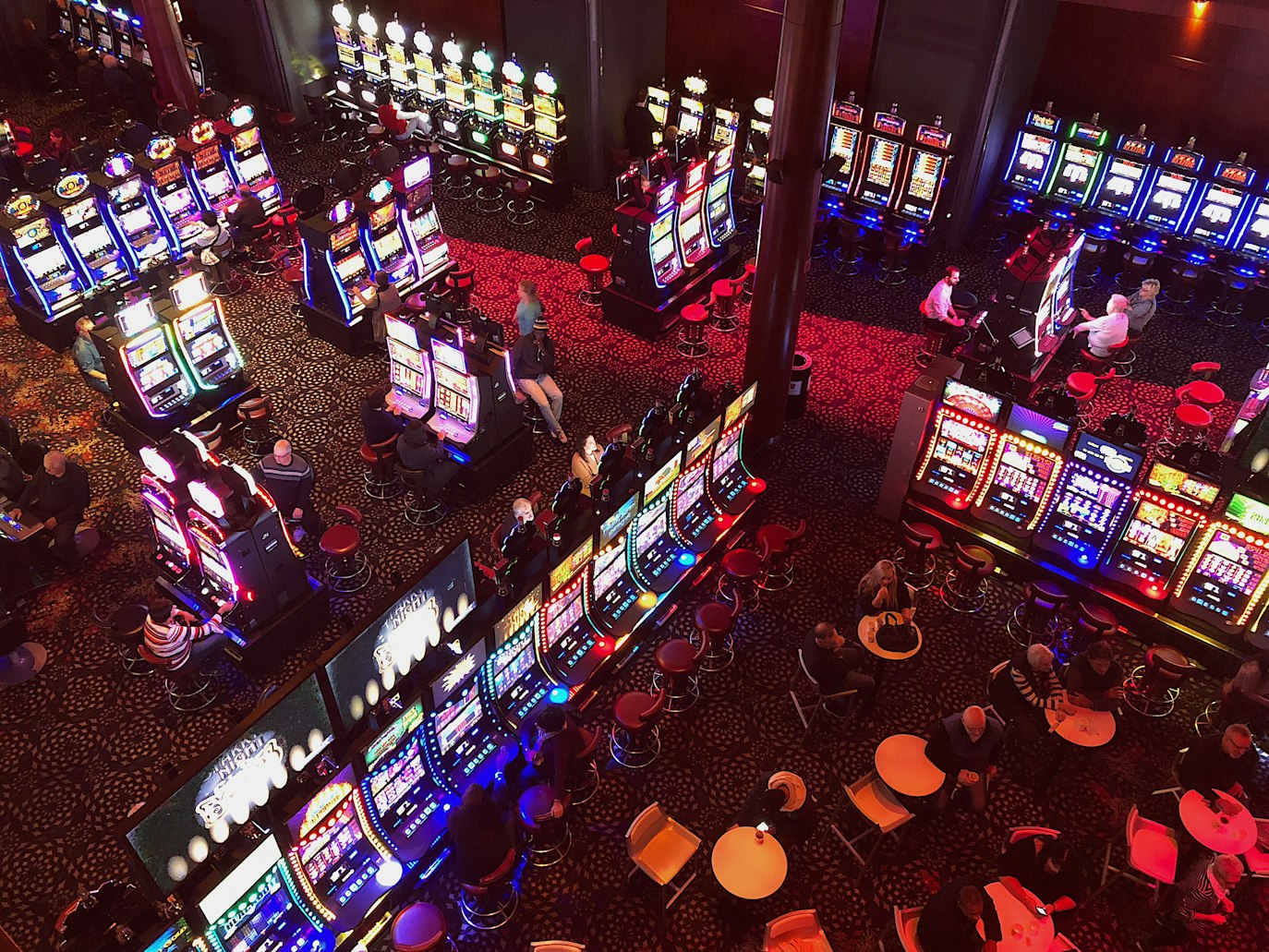
Exploring Modern Gambling Trends in Australia
In Australia, gambling habits are shaped by a unique blend of cultural influences and modern trends. The country has a robust gambling industry, with a variety of options ranging from poker machines to sports betting. Platforms like PayID Pokies have emerged to facilitate secure and instant transactions, catering to the tech-savvy population that values convenience.
The Australian approach to gambling emphasizes user safety and responsible gaming, often guided by regulations aimed at protecting players. As more Australians engage with online gaming platforms, the cultural acceptance of gambling continues to evolve, reflecting changes in societal values and technological advancements. This dynamic landscape allows for an exciting gaming experience that balances tradition with innovation.